
5.Korea: Jeju Island
Updated: Jan 23
The morning air in Mokpo was heavy with humidity and smelled like a combination of seafood, salt, and rain as I made the short hike to the ferry terminal. I’d been nervous about this part of the trip. I imagined a small, boat, rocking constantly on restless water. The fears of open water and being out of control crept in. Once I got to the pier I quickly realized that was not the case. Instead, the ferry to Jeju Island felt like a mini cruise ship, complete with restaurants, coffee shops, an arcade, karaoke rooms, and even a movie theater. There were many solo travelers, families, and even a group of boys on a school trip.

As we pulled away from the port, Mokpo slowly disappeared as the ship navigated mountainous islands that seemed to pop up out of the calm sea. This was what I had hoped for when I booked this part of the trip. Getting to see as much of Korea as possible so that I could better understand the history and philosophies that I study and teach. I spent the hours on the water writing, people watching, and looking out at the passing landscapes and smooth seas. The coast seemed to fall into the sea with a jagged rocky coastline. The first hour and a half the ship slowly weaved through the islands that were mountains coved in Forrest jumping up out of the sea.

When we docked, I patiently made my way off the ferry and hiked about an hour from the harbor to my hotel. As I made my way along the northern edge of the island I started to take in the beauty and resourcefulness of the island. Jeju island was formed off the southern coast of Korea when a volcano erupted under the sea millions of years ago. Lava has been used everywhere from sidewalks, hand stacked walls, and the Dol Hareubang statues or “stone grandfathers” that are seen across the island. This black lava rock combined with elements of lush green from the costal pines and tea tree farms to the bright oranges from the tangerines and flowers that dot the island gives Jeju its unique look and style. I stayed on the northern coast of the island not far far from the port and the airport. Jeju City was way more modern and active than where I had just been in Mokpo. It is the Korean version of Island life. The growing skateboarding and surf culture along with a strong connection with the island and the sea make this place that blends long standing Korean traditions and values with this newer western easiness. It is a juxtposition to the fast paced business culture that Korea is beginning to be known for.

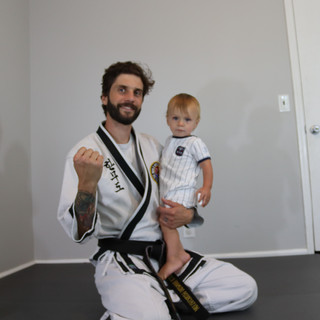
After spending my afternoon leisurely wondering around the city close to the hotel, I made my way to Jiu-Jitsurf, a small jiu jitsu academy in a very hilly part of Jeju City. I’d reached out to the professor before leaving the U.S., but hadn’t heard back and so I decided to take a chance and show up for a scheduled class. Shortly after I arrived, another student showed up and checked the door, this was a good sign. The professor pulled up minutes later, with an easy smile and a black belt that looked well-lived in he welcomed me into his academy. As the students came in they greeted me with smiled and welcomed me to their school. I had choosen the correct place to visit. This school had a unique and comfortable feel with surf boards on the wall and a simplistic clean style.
Class began and he went right into teaching takedowns and transitions on the ground as we drilled with each other. He moved through details of techniques, and completed the fight series with a few variations on submissions. When it came time to roll or spar, the professor rolled with me first. He and I rolled slowly, the round being very respectful and strategic as we transitioned and passed between positions. I was able to roll with a handful more students, each one challenging in their own way. They had a great attitude about moving with each other with very little ego and allowing each other space to learn. This academy has a great atmosphere and culture and I would recommend it to anyone looking for a place to visit while traveling.

Outside, the sun had set over Jeju City. After several tries to find a restaurant that would serve a single person. I found a small restaurant serving black pork, a Jeju Island specialty. The restaurant was open air with one waitress hustling between the tables. The menu had 10 or so items on it. I went with the black pork belly. Tender pieces mixed in with onions and cooked over a flaming grill. The dish was served with a side of rice and kimchi. Simple and delicious, the dish was everything I needed in that moment. Eating alone was becoming its own practice, an act of mindfulness, staying off my phone, enjoying my meals, and watching the people around me. I ended the night watching a group of skateboarders on the boardwalk from my balcony.

The next morning, I got up had another amazing breakfast at the Hotel Whistlelark Restaurant and took off to find some souvenirs. I had to pick up some Jeju tangerines and volcanic rock even though I would be carrying these items over the next 10 days. I grabbed some K-pop chicken take away and jumped in a taxi southwest across the island. My goal was Spirited Garden, a place I have been looking forward to visiting for years. The 30 min drive wound through tea fields, stone walls, and volcanic hills.

Spirited Garden was everything that I hoped for. The project began as a barren stretch of land in 1963, when its creator, Seong Beom-Yeong, started shaping the volcanic soil by hand, slowly transforming it into what would eventually open to the public in 1992. Today, the garden is considered one of Jeju’s cultural treasures, a place filled with hundreds of bonsai or bunjae in Korean. Some of these trees are centuries old, representing the depth and patience of Korea’s bunjae tradition. Jeju’s black volcanic rock appears throughout the space in Dol Hareubang statues, stone walls, bridges, and towering structures. The garden is dotted with ponds filled with brightly colored koi. Over the years,there have been many prominent visitors from around the world and the garden has even appeared in books as a symbol of Korean perseverance and creativity.

The Virtues of Bunjae (Through bunjae we can…)
from the garden creator, Seong Beom-Yeong
Feel that we are a part of Mother Nature.
Grow Tolerant.
Reflect on the past and prepare for the future.
Learn the values of love, modesty, and making concessions.
Become broad minded with strong faith.
Understand how nature works and not grow needy.
Think in a healthier manner and do the right thing.
Grow trusting and patient.
Learn creativity and wisdom.
Learn to live reasonably and form mutual understanding in the community.

I wanted to hit the night market and check out the city after dark. After spending some time working on Song Eun Hyung, the pine tree form, I headed out across the city. There is so much to see as you walk the streets; murals and street art, fountain displays, and a busy night market. I found another place serving black pork and grabbed a plate to walk with. Sticky, charred and delicious, I got a piece of pork, stuffed with cabbage, rolled up, covered in a sweet sauce then charred on the grill and served like a sushi roll. as I ate I continued to walk through the busy food section of the night market. The vendors that sell seafood and veggies had mostly packed up and left for the evening but this good court was packed. Seafood, pork, fire, and hungry people. Some booths had super long lines as people waited to grab some food to take away. This communal area offered a meeting place for friend groups grabbing a bite and socializing, couples walking and talking, and solo travelers like myself.

Jeju and the journey to get there was amazing. I am glad I took the time to head south and see this distinct regional part of Korean Culture. My last morning I collected a few more souvenirs and took a quick taxi to the Airport. A quick 45 min flight back to mainland Korea and a big shift in city life as I headed to Busan, Korea’s second largest city.


Comments