
8.Korea: Steel, Ink, and a Quiet City: Returning to Seoul
Updated: Jan 23
Returning to Seoul after the temples felt different than arriving the first time. My body was tired in a deep way—the kind that doesn’t come from a single hard workout, but from days of movement, travel, meditation, and mental focus layered on top of each other. Golgulsa had pushed me physically. Baekyangsa had asked me to sit still longer than I wanted to. The travel between cities had required constant attention. By the time I stepped off the train back in Seoul, I felt worn down, but excited for the last leg of this journey.
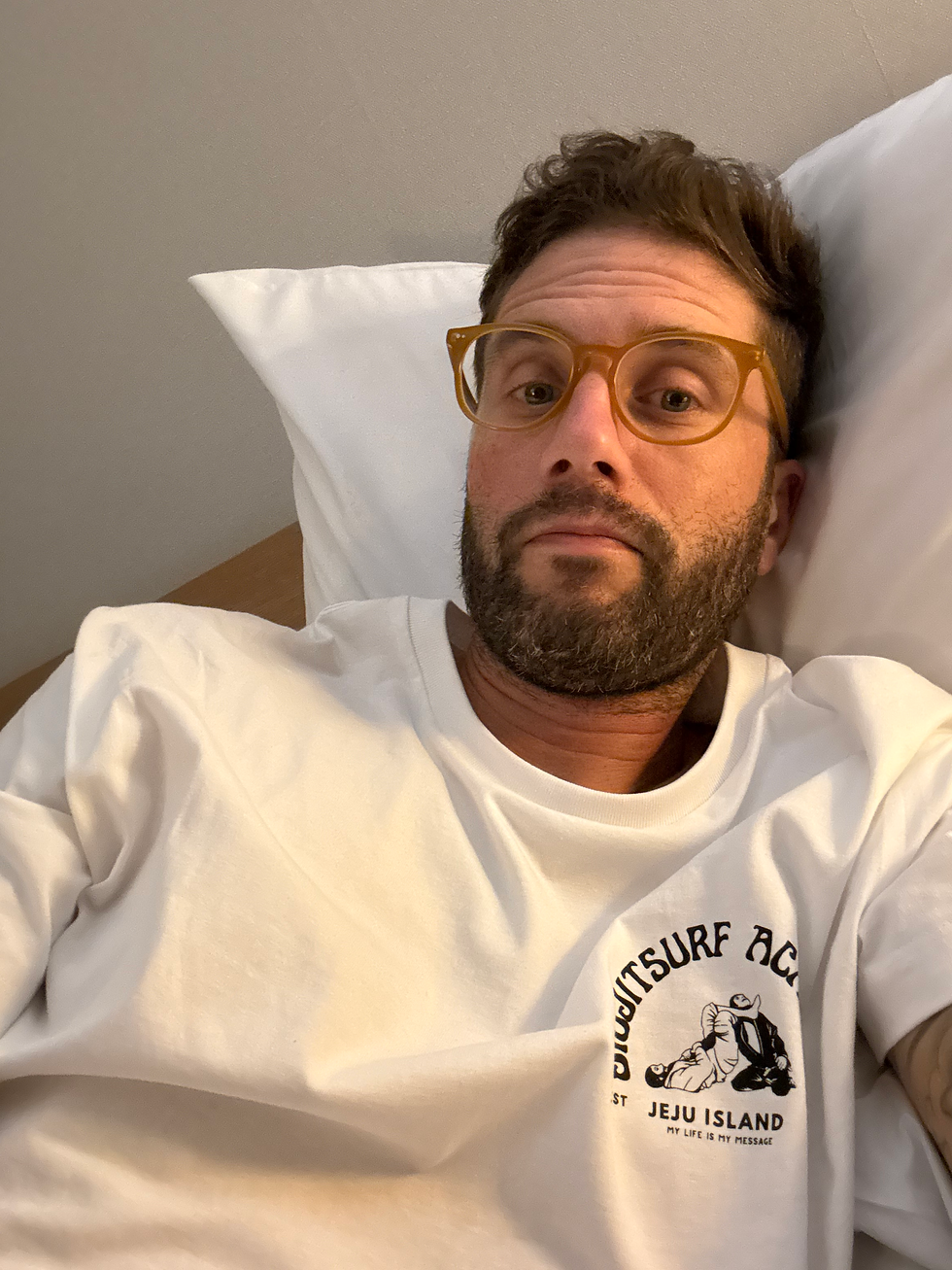
I checked into my hotel near Namdaemun market, dropped my bags, and finally took a long shower. The simple act of standing still under hot water felt like its own kind of practice. I was hungry, tired, and craving something easy, something familiar. That’s how I ended up eating the worst pizza of my life. The place was right next door. The sign said “pizza,” and after days of temple food and travel meals, that was enough. What arrived was a thin, cracker-like crust with barely any sauce, a mix of mozzarella and cheddar, one lonely pepperoni per slice, and a couple of black olives. It wasn’t good. But it filled me up, and honestly, that was all I needed in that moment.

That night, I washed clothes in the hotel laundry machine, only to realize too late that the “dryer” was really more of a dehydrator. Clothes hung damp around the room, draped over chairs and door handles. It felt like a very honest reflection of where I was at: functional, imperfect, making it work.
Gangnam: Ink and Intention

The next morning, Seoul was quiet. Chuseok had begun, and much of the city was shut down. Even finding coffee took effort. I made do with convenience store snacks and a cold mocha before heading across town to Gangnam.
Tattooing in Korea has only recently been legalized, like two days before my appointment. It still carries a sense of discretion. The studio was tucked inside a multi-story building. I climbed three flights of stairs and buzzed in. No guests allowed. There was a handful of artists working around the studio that was clean and covered in artwork. Most of the clients in the building while I was there were Americans. I was very interested in this part of the trip because Korea’s tattoo culture is just beginning. When I made my appointment, I made sure to find an artist that was working in Korean artwork not trying to replicate tattoos from Japan or America.

Vezo greeted me calmly. He didn’t say much, but he didn’t need to. When he showed me the design, I felt immediate trust. It was clean, intentional, and exactly what I had hoped for. Watching him work reminded me of watching a chef cook food or a martial arts master demonstrate a form. No wasted movement. No rush. Careful preparation. Complete focus. The tattooing was gentle at first, growing more intense as he layered details and white ink near the end. Time slipped away faster than I expected, and I realized I needed to leave soon to make my next appointment. We wrapped up quickly, took a photo, and I stepped back into the city with fresh ink and that familiar post-tattoo mix of fatigue, soreness, and satisfaction.
The Weight of Steel
From Gangnam, I found a cab to Insadong to visit the Korean Knife Gallery, a place I had been looking forward to for months. Getting there was a small challenge, and the staff went out of their way to help guide my taxi driver over the phone until we found it. Inside, the space felt more like a museum than a shop. Blades lined the walls, Korean, Japanese, Chinese, and European. each one placed deliberately. In the back room, the process of traditional Korean sword making was laid out from the beginning: iron-rich sand, ingots, charcoal, tools, and photographs of the swordsmith working molten metal by hand.

The master sword maker joined us, and we talked about steel, about the bloomery method, pine charcoal, and the slow process of turning sand into iron, iron into steel, and steel into something functional and beautiful. There was no rush in his explanations. No sales pressure. Just craft. He showed me swords inlaid with the Big Dipper, hammered in copper against Damascus steel. These weren’t decorative objects, they were functional, balanced, and made to last. We talked through options, fittings, and traditional Korean construction. I placed an order for two swords, each built with intention and respect for Korean tradition.

Before I left, he pulled out a chef’s knife and sliced a sheet of paper into thin ribbons with a smile. Then he handed me that knife, along with a smaller paring knife, as a gift. They may be the most meaningful souvenirs I brought home. Because of local laws, he and SJ Kim insisted on driving me back to my hotel so the blades wouldn’t be carried openly. As I stepped out of the car, they waited until I was safely inside. It’s a small gesture, but one I saw repeatedly in Korea, people making sure you’re okay before they leave.

Walking a Quiet Seoul
That evening, I wandered the city. Seoul during Chuseok was calm in a way I hadn’t expected. Streets were open but quiet. Restaurants closed. Families moved together through public spaces. Crews prepared for outdoor events and installations that would come alive the next day. I found food where I could, a Korean burrito that was more cabbage than anything else, and kept walking. I visited my first palace, wandering through stone courtyards and wooden halls, imagining what these spaces once looked like when they were full of life and ceremony. Without crowds, the city felt introspective. Like it was giving me space before the next lesson.

Before the Next Teaching
That night, back in my hotel room, clothes still hanging damp, legs still sore, I felt a quiet sense of readiness. This pause, the tiredness, the solitude, the wandering, was necessary. The next day, I would meet Grand Master Han Jung Do. I didn’t know exactly what that training would bring. But I knew I was prepared to receive it. Sometimes the most important part of a journey is the moment when nothing is happening, when you stop moving long enough to realize how far you’ve already come.


Comments