
4.Korea: The Port City: Mokpo
Updated: Jan 23
Leaving the quiet of Baekyangsa, I felt refreshed and ready for more exploring. The train from the temple to Mokpo wound through mountain valleys and open farmland. This landscape now seemed familiar as I made my way to the southern tip of South Korea. Agriculture surrounded the cities and filled residential areas. Gardens producing fresh food tucked into common spaces around apartments, by roads, and chosen over grass yards that are common in America. The idea of function over fashion likely stems from a deep-rooted need to provide for oneself, family, and community in times of need, along with a strong connection to nature that permeates Korea.

Discovering Mokpo: A Cultural Gem
Mokpo, a busy port city, is a vibrant working town filled with culture and smiling faces. It sits on Korea’s southwestern coast, where the mountains meet the sea. My guesthouse, Leehakjang, was small, quirky, and perfect. The owner greeted me with a wide smile and checked me in. When I asked for a lunch recommendation, he walked me down the street to a local family-owned restaurant. After greeting the couple that owned it with another big smile and wave, he ordered for me like a parent ordering for their child.

What arrived was the best bibimbap I’ve ever eaten: warm Korean rice, marinated vegetables, a fried egg, and sesame oil. The kimchi that accompanied it was bright, crisp, and just the right amount of spice. This meal was exactly what I needed at that moment. I tried to pace myself and savor each flavor as I absorbed my surroundings. The restaurant, which could seat about 20, was run by a middle-aged couple. The wife cooked and directed from the kitchen while the husband served the tables. A group of men nearby enjoyed laughter and soju. You could tell by the empty bottles and the volume of their voices that they had been there for a while. The restaurant itself felt utilitarian, offering insight into the essence of Asian dining experiences in the U.S. This was a lived-in restaurant, a vital part of their daily lives and community.

Exploring the Neighborhood
The neighborhood around the guesthouse was a delightful mix of small businesses, restaurants, art galleries, and supply houses filled with mechanical parts and fishing gear. Closer to the water, seafood markets featured small kitchens to prepare the fish, octopus, and other sea creatures swimming in tanks on the sidewalk. As I walked, I discovered murals, little galleries tucked between cafés, and cheerful people eager to greet a foreign visitor. I stopped to buy a hand-painted fan and a small watercolor from a husband-and-wife team. Their shop was half-filled with jewelry and the other half with beautiful watercolor paintings. I watched as he meticulously boxed and wrapped each piece for me. Supporting local artists is something Amber and I cherish while traveling, and decorating our home with these treasures is our number one souvenir choice.
The Annual Port Festival
Later, I realized I’d arrived on the last day of Mokpo’s Annual Port Festival, a street festival reminiscent of those held a couple of times a year in my hometown of Franklin, TN. I followed the port edge, sandwiched between fishing boats on one side and a mix of seafood markets, restaurants, and fisherman supply houses with their wares spilling out into the street. I kept walking toward the lights and sounds of drums and cheering until I found the crowds. The entire waterfront was alive with kids' activities, street vendors grilling seafood, and families cheering along with the performers on stage.

It was so much fun to blend into the crowd and watch them celebrate their town. There was so much to see and do, especially for families. The festival celebrated the sea and the strong fishing culture of the city. As I walked in, the first group of activities was a fish auction right on the street. Fish hawkers pulled out fresh fish and held it up while the auctioneer engaged the crowd. Next to that was a raised dock surrounding a temporary pool stocked with fish. Participants tried to catch the fish below, cheered on by the crowd that erupted when someone successfully raised a flopping fish. Behind this, they had built a brick fire pit in the middle of the road—something that would never happen in Franklin. People cooked fish in various ways over the fire and grilled prawns like hotdogs on sticks. A kind man even offered me a large prawn to peel and gobble down.

The stages were in constant rotation, featuring acts that played music, danced, and sang traditional Korean songs. The colors were vibrant in the traditional costumes worn by the dancers and the instruments they played. The songs were beautiful and celebrated their culture. All ages took turns performing and being part of the celebration.

A Night in Mokpo
Surrounding the stages were tents filled with various vendors selling food and crafts, kids' activities, and beer. There was even a video tunnel that simulated walking under the sea, with sharks, fish, and sea creatures swimming all around you. Kids rode pedal boats in temporary pools set up for the festival, trying to get the highest number of touches in jegi chagi, a Korean version of hacky sack.

That night, I wandered around the city. Aged but full of character, Mokpo felt like it was from a time that has passed in America. As the city wound down for the day, markets were partially covered in tarps, and some businesses left supply rooms and garage doors wide open. This trust in the community provided a feeling of safety and togetherness that we are losing in America.

A New Day Awaits
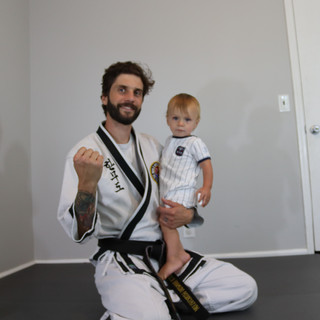
The next morning, I woke early. My sleep schedule was off, but I didn’t care. I tried to sneak between my guestroom and the kitchenette one floor down. I brewed a small cup of coffee and worked on Song Eun Hyung, the last empty-hand form in Han Mu Do. Studying and completing this form was a goal of mine for the trip. I took time to pack my bag and prepare to board the ferry to Jeju Island. I was ready to keep exploring but not quite ready to leave this charming town.


Comments